
Craniosacral Therapy
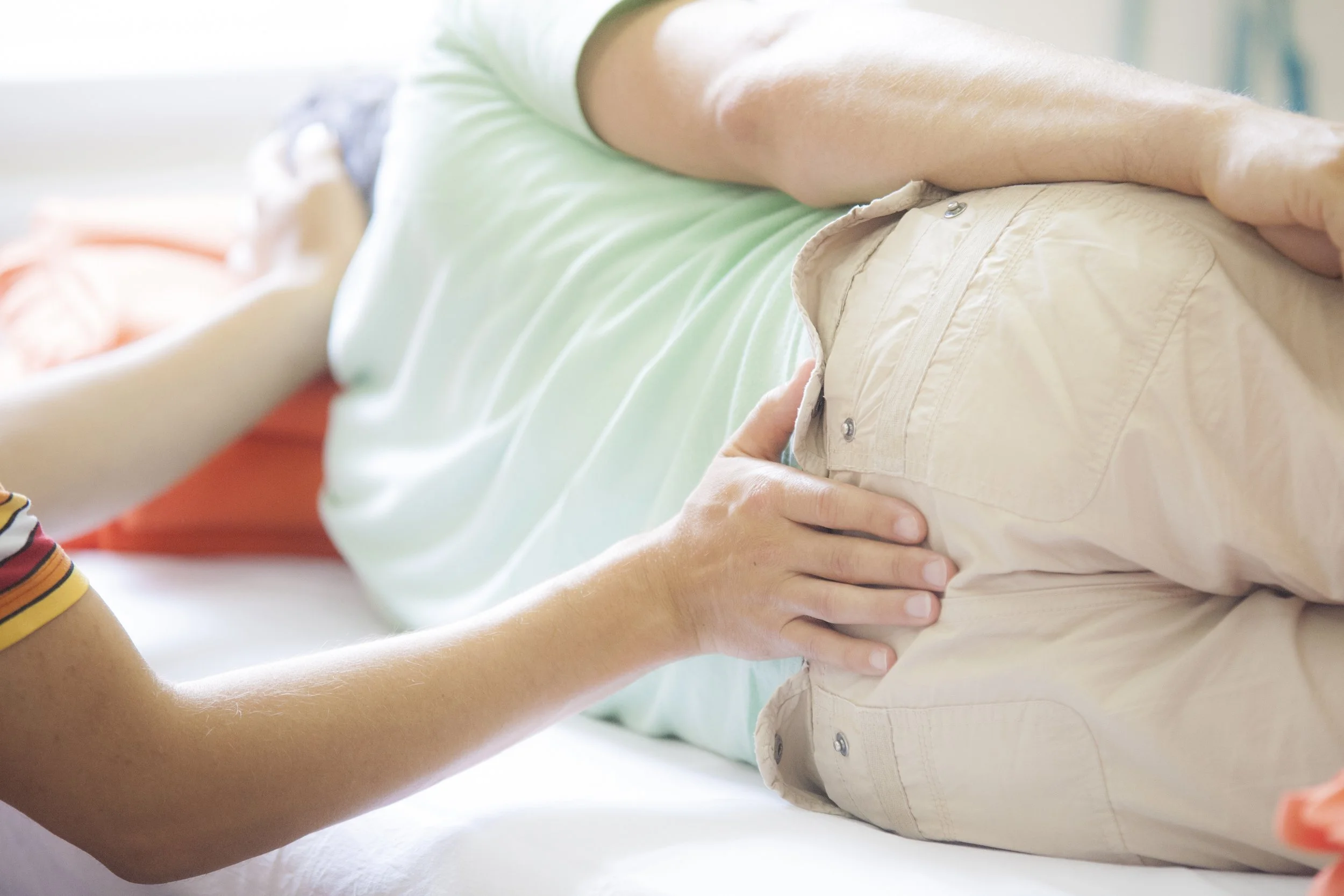
I began training in craniosacral therapy back in 1997 when I was attending Bastyr University. At the time, I was enrolled in a physical manipulation class where we were learning how to do spinal adjustments much in the way of a chiropractor. The class really stressed me out because at the time, these adjustments felt quite invasive to administer. I noticed I could get as good of a result with Craniosacral therapy in a much gentler way – by working with the fascial layer. It just took longer.
Craniosacral therapy evolved out of the life’s work of osteopathic physician, Dr. William Sutherland. It is a subtle, yet powerful healing system that works with: the cranial rhythm, the cerebrospinal fluid and the fascial system.
The cranial rhythm – aka ‘the breath of life’ is the 3rd rhythm of the body, created by the pulse of the spinal fluid as it moves from the brain down and around the spinal cord. The 3rd ventricle of the brain creates about 1/2 of a liter of spinal fluid each day, and it’s circulation creates a rhythmic ‘tide’ that I can feel at various places in the body.
Sensing with my hands, I find my way to areas that aren’t circulating well- where there is less flow in the cranial tide, or more simply – where the energy is stuck. With subtle pressure, I facilitate an opening or release of tension in the fascia layer of these areas. The fascia is the interface between the physical and energetic bodies. It is where all of the acupuncture meridians circulate, and it also holds our life’s memories – physical and emotional injuries included.
Craniosacral therapy works with the body’s innate healing wisdom – meaning that what comes up in a session is what the body is ready to confront and process at that time. I love this deep and safe healing work because it complements numerous other treatments – from emotional therapy to acupuncture, chiropractic, or massage therapy.
Craniosacral therapy is a deeply restorative and grounding treatment that anyone can benefit from. It is also the most important treatment to get after any acute physical injury or trauma because this therapy directly accesses the fascial system where trauma is stored.
I notice how my clients easily go into a very deep state of rest during this treatment – the parasympathetic or ‘rest and digest’ state gets turned on. We now spend so much of our time in the sympathetic or ‘fight or flight state’, that it is important to give our bodies the opportunity of deep rest. It is from this deep place of rest, that our body’s systems re-engage and reconnect with one another to catch up necessary repair work.
After a craniosacral therapy session I always feel like my life’s pressures are a mile away instead of lying on my shoulders.
Dr. Marie will be accepting new in-person craniosacral appointments. If you would like to be contacted for an in-person visit, please join her waitlist.