
Summer's overlooked essential vitamin
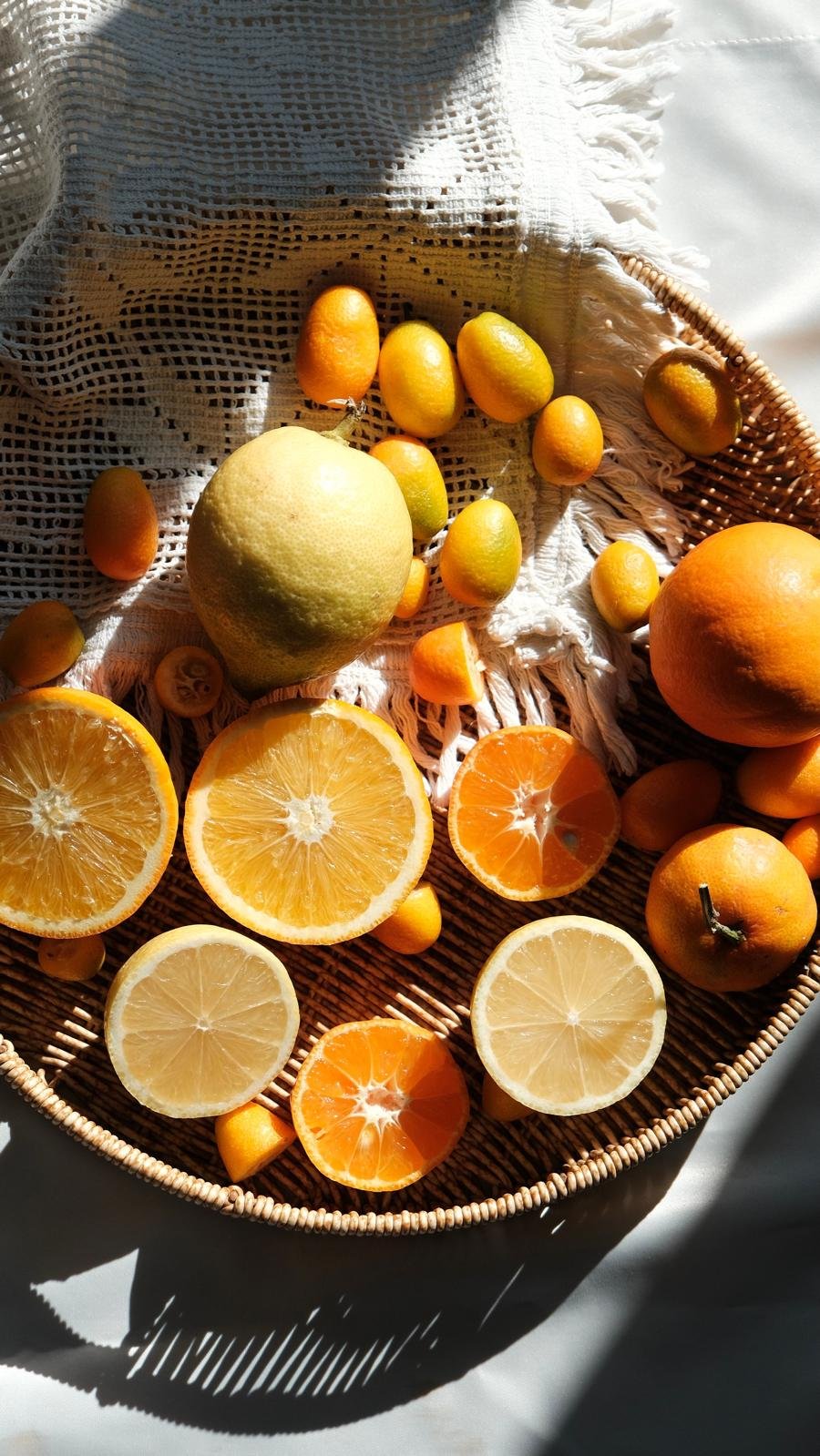
I’d love to take some time to talk about what I feel could be summer’s most important nutrient. One that reminds us that some of our most effective therapeutic tools aren’t trendy...or pricey.
Vitamin C has been hiding in plain sight for decades humbly doing its job while whatever nootropic mushroom coffee blend or peptide is having their moment in the limelight.
Optimizing your ascorbate levels doesn't have the same allure as “upgrade your NAD+ levels and reverse-age instantly." But...basics are only basic when we underestimate them, and vitamin C might be the most underestimated nutrient I know.
Few nutrients have generated as much fascination - and controversy - as this one. Nobel Prize - winning scientist Linus Pauling spent decades insisting vitamin C mattered far beyond scurvy-prevention doses, and while plenty of people rolled their eyes at him, he was asking the right question:
Are we thinking about vitamin C as something that just prevents deficiency - or as a nutrient our bodies actually depend on every single day to function well?
I lean toward the second, and summer makes that question especially relevant: more sun, more heat, more travel, more exercise, more late nights, more 'going' in general. All of that adds up to more oxidative stress and bigger demands on the systems that help with repair and recovery.
Vitamin C helps us carry the load in so many ways...
Skin. UV exposure creates oxidative stress, inflammation, and collagen breakdown. Vitamin C helps counter all three, making it one of my go-to nutrients for skin health, sunburn recovery, wound healing, and maintaining a healthy skin barrier.
Adrenals. Your adrenal glands love vitamin C. In fact, they contain some of the highest concentrations of vitamin C in the entire body. That's no coincidence. During times of stress, your body uses more of it, making consistent vitamin C intake one of the simplest ways to support your stress response.
Histamine. It's common for seasonal allergies to cyclically flare this time of year, so you don't want to overlook vitamin C. It helps regulate histamine, supporting a healthier response to allergies as well as healthy mast cell function.
Immune system. Vitamin C supports white blood cell production and protects them from oxidative damage. Immune support is needed in July just as it is in January.
Iron absorption. It significantly boosts iron absorption from plant foods - and since it's also essential for collagen and blood vessel integrity, easy bruising is another clue that vitamin C levels could use support.
Exercise recovery. It protects against the oxidative stress of physical activity while supporting the collagen your muscles, tendons, joints, and connective tissue need to bounce back.
Here’s the inconvenient truth: unlike most animals, humans can't manufacture our own vitamin C. We have to get it from food and supplementation.
Red peppers, citrus, strawberries, broccoli, kale - plenty of good options. Because vitamin C is water-soluble, consistency beats intensity. I'd rather see someone take a steady, adequate amount daily than megadose sporadically and deal with the GI consequences later.
So what's a good dose? For most people, 2,000 mg daily is a solid baseline. I'll often recommend going higher during times of increased demand - travel, illness, high stress, intense exercise, recovery from injury or surgery - since your body's needs go up along with the load you're under. The simplest way to know you've gone far enough (or too far) is your gut: back off if you notice loose stools.
Also, I much prefer L-ascorbate - the biologically active, bioavailable ionized form.
While we're on the subject - the idea that vitamin C leads to kidney stones? Bunk.
If you have an iron-overload condition like hemochromatosis, be cautious with higher doses since vitamin C increases iron absorption. If you have significant GI sensitivity or IBS, you may need to adjust form and amount. But for most people, fear of kidney stones is not a good reason to skip adequate vitamin C.
While Vitamin C isn't glamorous or new, it's still essential: for collagen production, antioxidant protection, immune function, iron absorption, connective tissue, skin, blood vessels, bones, and your body's basic ability to repair itself.
Some of our most effective therapeutic tools aren’t trendy or new - they’re the ones we’ve just stopped paying attention to.
The natural healing industry has truly shape-shifted into a creature I barely recognize from when I started practicing in 2002. I often find myself complaining that in all our latest reductionistic advances, we’ve lost the forest for the trees.
I’m not suggesting we abandon the advances. I’m suggesting we remember the foundation, and Vitamin C is a prime example.
Sometimes the most useful thing we can do for our health is return to something simple, inexpensive (and boring) and use it consistently enough to actually matter.